Free tool
Cold plunge time calculator
Enter the water temperature, how long you have been plunging and what you want from it. You get a session length in minutes, a weekly target, the warning thresholds for your temperature band and a plain stop-if list, with the math and the sources shown.

How to use the calculator
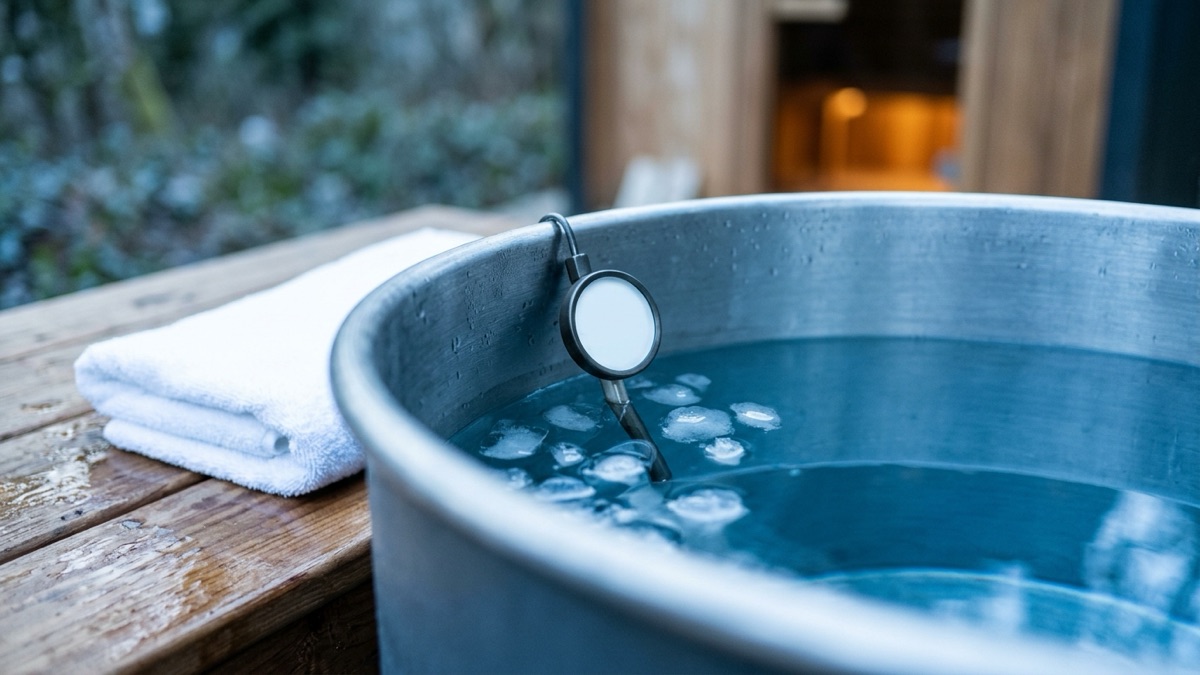
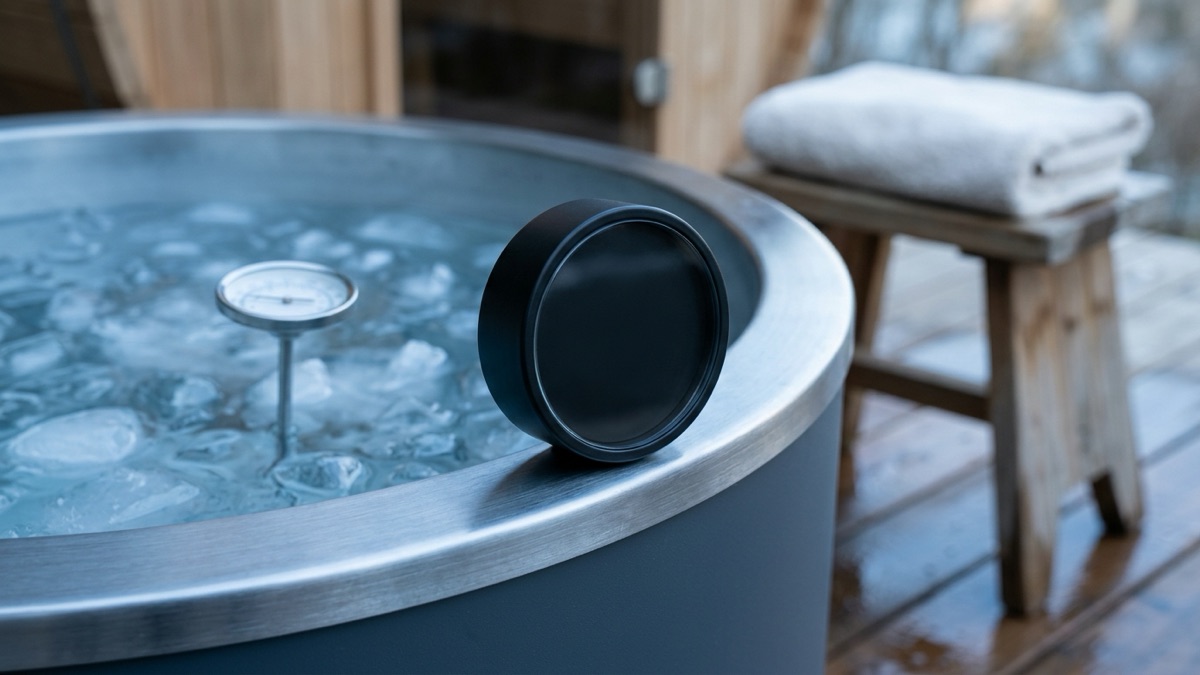
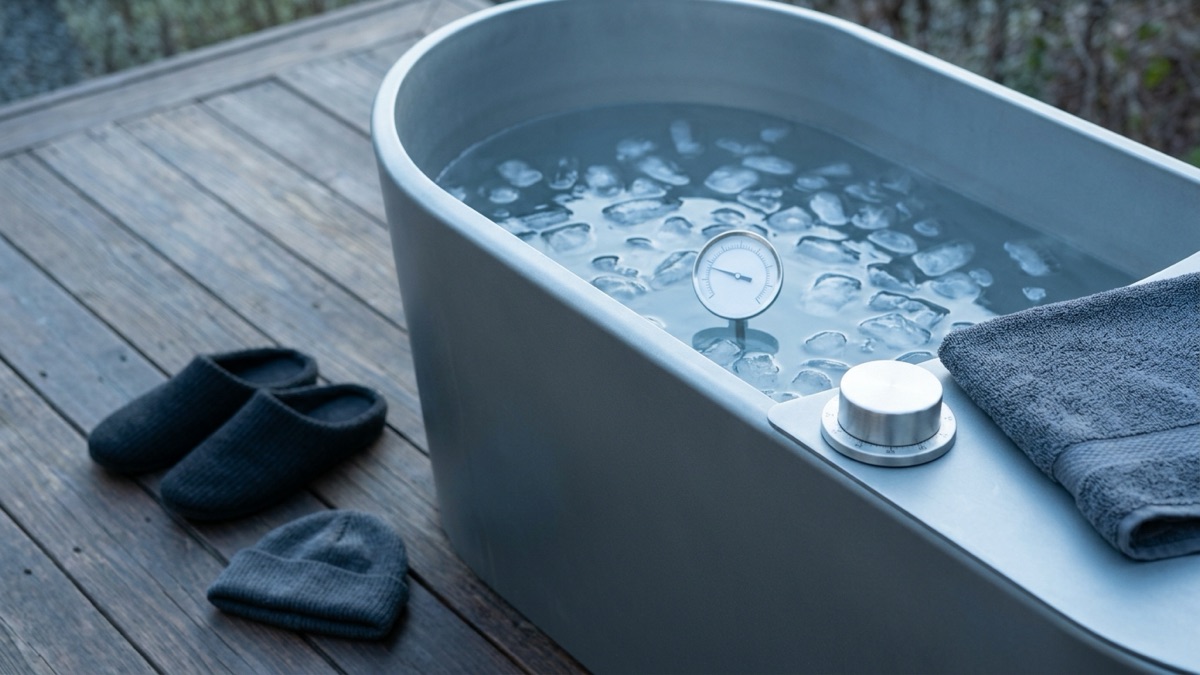
- Measure the water, do not guess it. Put a thermometer in the water you will sit in. Chiller displays read at the chiller, and a tub of ice and tap water changes by the minute.
- Pick your experience honestly. First week means your cold shock response is at full strength, so the calculator halves the time and caps it hard. Regular means you can breathe through the first minute. Experienced means months of steady sessions.
- Pick the goal. Recovery, mood and cold adaptation each change the suggested length a little, and each comes with a note on what the research did and did not test.
- Read the whole result. The minutes matter less than the warning thresholds for your band and the stop-if list. Set a timer and plan how you will get out before you get in.
Tip
Colder is not better. Cold shock peaks between 50 and 60 F for people who are not used to it, so a 38 F tub does not add benefit, it adds risk. The range with the most evidence behind it is 50 to 59 F for a short time.
What the bands mean
| Water | Band | What the sources say |
|---|---|---|
| Below 40 F | Experienced only | Cleveland Clinic advises not going below 40 F. The National Center for Cold Water Safety describes water below 45 F as painfully cold, with clear thinking almost impossible. |
| 40 to 49 F | Short sessions | Below 50 F the Cold Water Safety guide lists total loss of breathing control and maximum cold shock for people who are not used to it. |
| 50 to 59 F | Beginner range | Cleveland Clinic's 50 to 59 F, a minute or two to start, five minutes at most. Most recovery studies used 10 to 15 C. |
| 60 to 69 F | Cool, longer | Harvard Health notes hypothermia can begin within minutes below 65 F. Still a cold plunge, a milder one. |
| 70 F and up | Cool water | CDC NIOSH notes hypothermia can occur in any water below 70 F; above it you are cooling off, not plunging. |
Where the numbers come from
The weekly target of 11 minutes of cold across 2 to 4 sessions comes from the participant table of the 2021 Soberg study in Cell Reports Medicine, which followed 8 young winter-swimming men who also averaged 57 minutes of sauna a week. Popular protocols turned that table into a target; we present it as a reference point from a small study, not a prescription. The temperature bands follow Cleveland Clinic, Harvard Health, the National Center for Cold Water Safety, the National Weather Service and CDC NIOSH. The recovery and strength notes come from the Moore 2022 meta-analysis in Sports Medicine and the Roberts 2015 Journal of Physiology trial. Every source is linked under "Show the math" in the result.
Heads up
Cold water is a real stressor. The first minute brings gasping, fast breathing and a jump in heart rate and blood pressure. Never plunge alone, never after alcohol, never hold your breath or hyperventilate in or before the water, and get out when you feel lightheaded, numb or confused. If you have a heart condition, high blood pressure or take medication for it, are pregnant, or have Raynaud's or poor circulation, talk to your doctor before you start. This calculator is a planning aid, not medical advice.
Questions
How long should a beginner stay in a cold plunge?
A minute or two in water between 50 and 59 F, according to Cleveland Clinic, and never more than five minutes. The calculator halves the regular time for a first week and caps it, because the cold shock response is strongest before you are used to it.
What is the best cold plunge temperature?
There is no single best number. The range with the most evidence behind it is 10 to 15 C (50 to 59 F), which is where most recovery studies and the Cleveland Clinic beginner advice sit. Cold shock peaks in that same range, so shorter sessions, not colder water, is the lever.
Where does the 11 minutes a week come from?
From the participant table of the 2021 Soberg study in Cell Reports Medicine: 8 young winter-swimming men averaged about 11 minutes of cold water and 57 minutes of sauna a week across 2 to 3 visits. It is a reference from a small study, not a prescription.
Is it safe to cold plunge every day?
Cleveland Clinic suggests once or twice a week to start and adding days as your body adapts. Daily plunges right after strength training blunted gains in a 12-week study, so lifters usually plunge before training or on other days. Rest days are fine; a forgiving streak beats a perfect one.
Does the calculator replace medical advice?
No. It turns published ranges into a planning aid. It does not know your health or medication. If you have a heart condition, high blood pressure, are pregnant, or have Raynaud's or poor circulation, talk to your doctor before you start.