Free tool
Contrast therapy builder
Pick sauna minutes, cold minutes, rounds, the order and how many sessions a week. The builder lays each session out on a timeline, totals your week against the 57 minutes heat and 11 minutes cold reference, adds the rest and rehydration line, and prints as one page.
How to use the builder
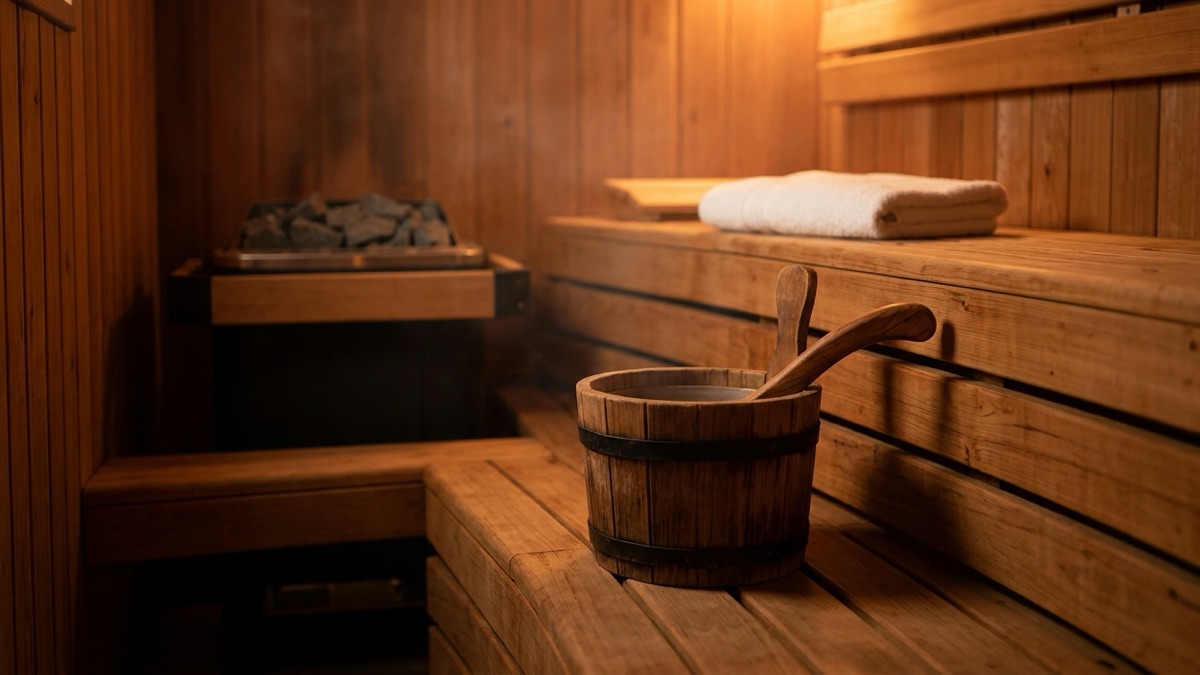
- Choose the sauna type. Traditional saunas run about 176 to 212 F with low humidity and rounds of 5 to 20 minutes. Infrared cabins run about 113 to 140 F and the studies used 15 to 30 minute sessions.
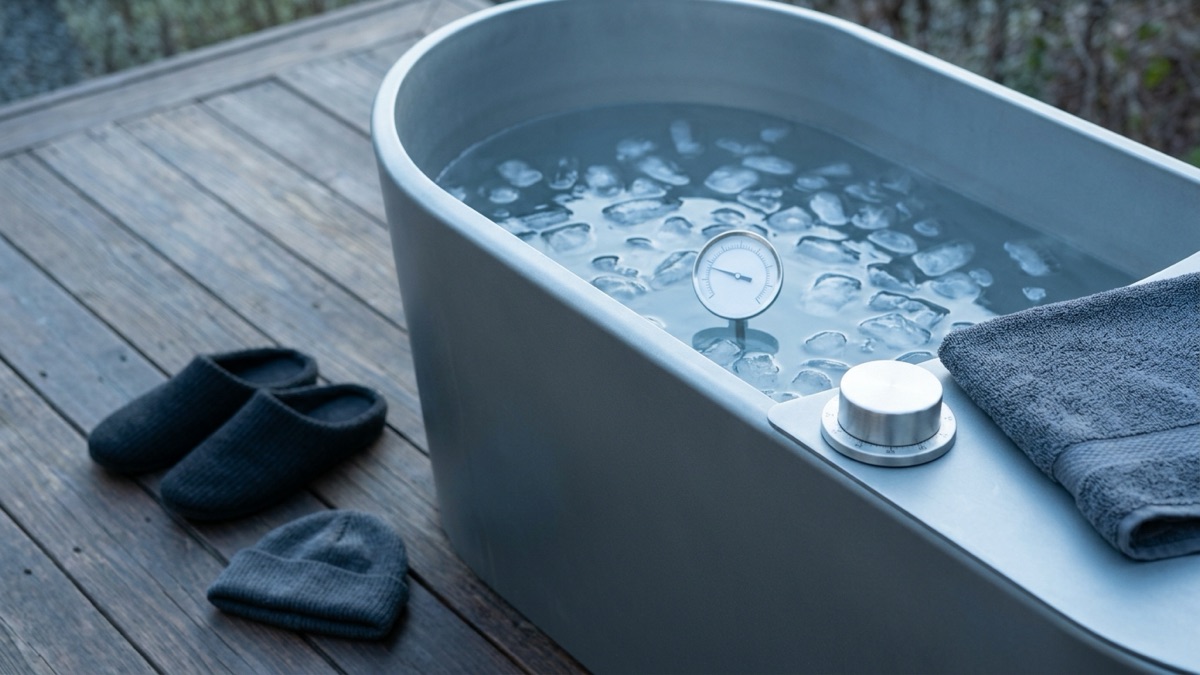
- Set the minutes per round. A round is one heat and one cold. Ten to fifteen minutes of sauna and one to three minutes of cold is where most sauna-and-plunge routines live; the research on hot-and-cold water alternated about 1 minute cold with 1 to 3 minutes hot.
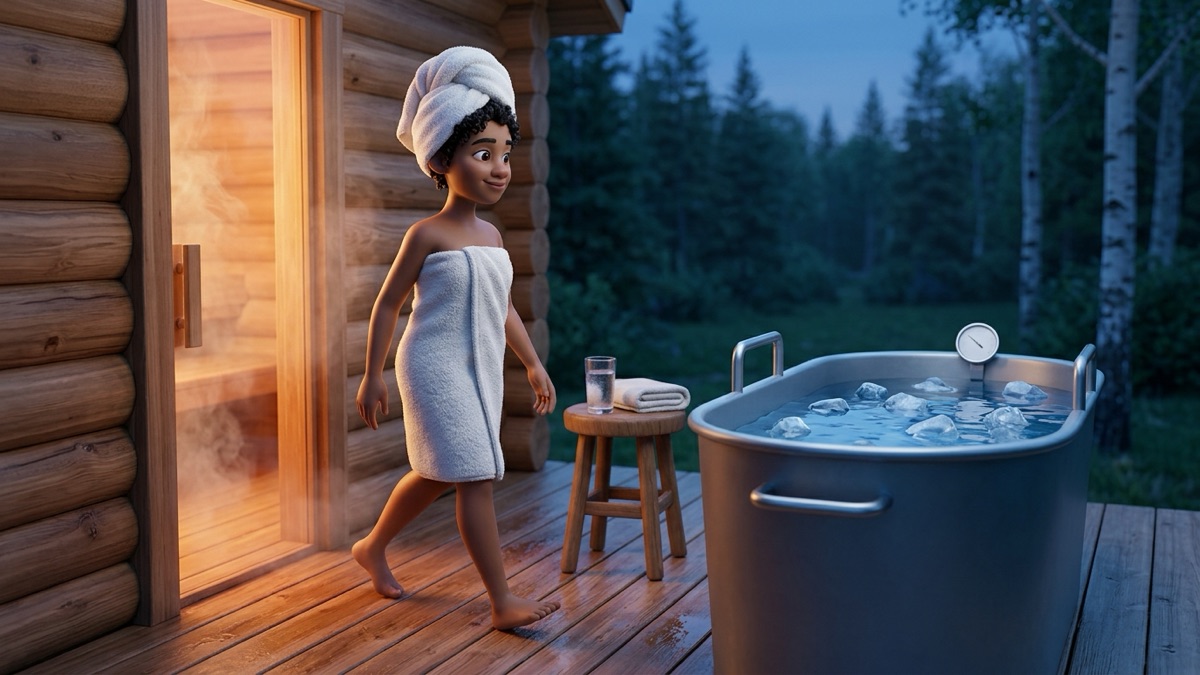
- Pick the order. Heat first and end on cold is the common pattern and what the winter swimmers in the Soberg study did. Cold first and end on heat is gentler if you struggle to rewarm, and better in the evening.
- Set sessions a week. The builder spreads them across the week with rest days between, and shows your heat and cold totals against the 57 and 11 minute reference.
- Print it. The weekly table prints as one page you can tape by the tub.
Tip
Cool down for a minute or two between the sauna and the cold water. The switch is where heart rate and blood pressure swing most, and a short pause with a glass of water takes the edge off it.
What the reference numbers are
| Number | What it is | Source |
|---|---|---|
| 57 min heat a week | Average sauna time in the participant table of the Soberg 2021 winter-swimming study (8 men, 2 to 3 visits a week) | Cell Reports Medicine, 2021 |
| 11 min cold a week | Average cold water time in the same table | Cell Reports Medicine, 2021 |
| 5 to 20 min rounds | Typical traditional sauna session length at 80 to 100 C | Hussain and Cohen 2018 systematic review |
| 15 to 30 min sessions | Infrared sauna sessions in the reviewed studies, at about 60 C | Hussain and Cohen 2018 systematic review |
| 1 min cold, 1 to 3 min hot | Contrast water therapy pattern in 18 pooled trials (cold 8 to 15 C, hot 35.5 to 45 C) | Bieuzen, Bleakley and Costello 2013 |
| 5 min cold ceiling | The most a single cold plunge should last | Cleveland Clinic |
Nothing in this table is a prescription. The Soberg numbers describe what a small group of experienced swimmers happened to do, and the sauna cohort studies are observational. The builder uses them as a reference so your week has a shape, and warns you when a plan runs well past them.
Heads up
The sauna-to-cold switch spikes blood pressure. The Finnish Sauna Society warns that cold water straight after a sauna can be dangerous for people with heart failure, weakened heart function or serious arrhythmia. Saunas dehydrate, so drink water before, between and after rounds, never drink alcohol before or during, and leave when you feel dizzy. Never plunge alone, never hold your breath in the water, and get out when you feel lightheaded, numb or confused. If you have a heart condition, high or low blood pressure, take beta blockers, are pregnant, or have Raynaud's, talk to your doctor before you start. This builder is a planning aid, not medical advice.
Questions
Should I do the sauna or the cold plunge first?
Most routines warm up first and end on cold, the pattern the winter swimmers in the Soberg study followed. Ending on heat is gentler if you struggle to rewarm and suits the evening. Either way, cool down for a minute or two before the cold and drink water between rounds.
How many rounds of sauna and cold plunge should I do?
Two or three rounds is where most routines stop. Each switch swings heart rate and blood pressure, and the builder warns at four or more. One round is a complete session on a busy day.
How long should each sauna round be?
Traditional sauna sessions in the research ran 5 to 20 minutes at 80 to 100 C; infrared sessions ran 15 to 30 minutes at about 60 C. Ten to fifteen minutes is a common round. Longer rounds mean more fluid loss and more fainting risk when you stand up.
Where do the 57 and 11 minute weekly targets come from?
From the participant table of the 2021 Soberg study in Cell Reports Medicine, where 8 young winter-swimming men averaged about 57 minutes of sauna and 11 minutes of cold water a week. They are a reference point from a small study, not a prescription.
Can I use a hot tub instead of a sauna?
Yes, the builder's heat minutes work for any heat source, but a hot tub at 100 to 104 F is far cooler than a sauna and closer to the hot water the contrast water therapy trials used (35.5 to 45 C). Keep the same rest, hydration and safety rules.
Guides that go with this
contrast therapy
Sauna and Cold Plunge: The Right Order and a Weekly Routine